
Building or Renovating in Style: How a Team of Interior Designer, Architect & Contractor Elevates Your California Home
- Apr 22, 2025
- 4 min read
Updated: Jul 16
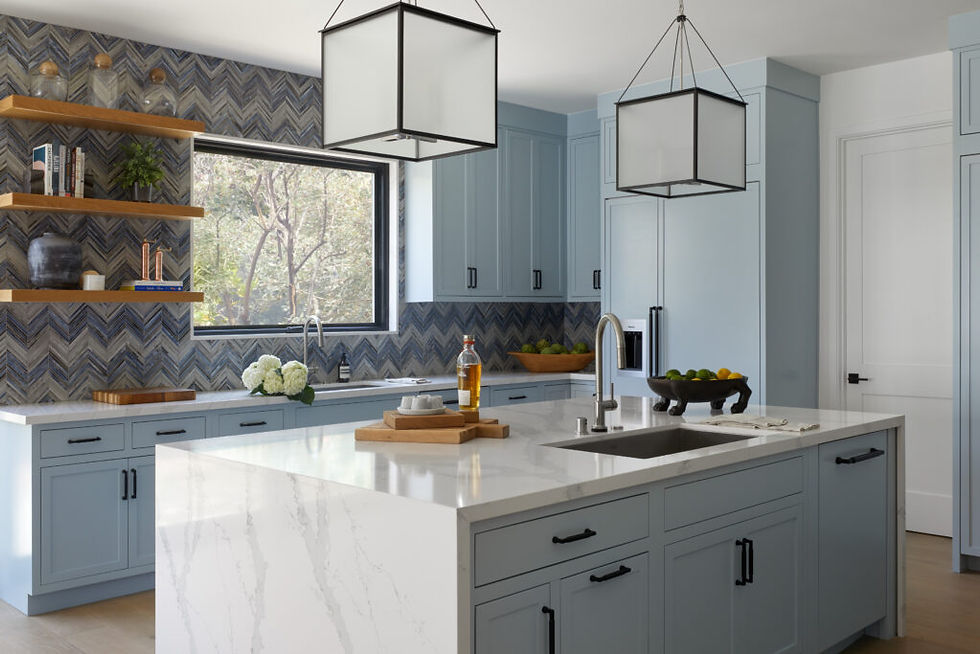
When it comes to transforming your home—whether you’re starting from scratch with a new build or diving into a major renovation—there’s one secret to making the process smoother, more enjoyable, and undeniably successful: the right team. Think of it like assembling a dream cast for a big production. Everyone has a specialty, and when they come together, the result is nothing short of magic.

At Ethan Charles Design, our favorite projects are the ones where we collaborate closely with a full team—the architect, the contractor, and the interior designer (that’s us!). When these three roles are aligned from the start, the entire process becomes more efficient, more creative, and ultimately, more fulfilling for the homeowners. Let’s break down why each of these roles is essential and how they work together to bring your vision to life.
1. The Interior Designer: Creating a Home That Lives as Beautifully as It Looks
Interior designers often come to mind when people think about the finishing touches—furniture, fabrics, paint colors. And yes, we absolutely handle that. But our role starts much earlier than that. When we’re brought in at the beginning of a project, we can help shape the layout and flow of the space, ensuring it not only looks stunning but works seamlessly for your family’s daily life.
As a California Interior Designer, our job goes beyond just choosing pretty things. We dig deep to understand how you use your space, what you value, and how to make your home reflect your personality and lifestyle. Whether you’re looking for a serene coastal retreat or a bold, modern statement, we bring that vision to life with clarity and intention.
Interior designers are the bridge between form and function. We ask the questions that uncover your family’s unique routines and preferences. Do you host large gatherings? Do you need a quiet home office? A mudroom that actually works for kids and pets? A pantry you can dance in? (Hey, it happens.)

By understanding your lifestyle, we can guide choices that impact everything from lighting and electrical plans to cabinetry, flooring, and built-ins. Our goal is always to make your home feel like you—elevated, intentional, and livable. A seasoned California Interior Designer brings regional expertise too, factoring in things like climate, light, and architectural trends that are distinct to the West Coast.
2. The Architect: The Blueprint to Your Vision
While designers bring the soul and style, architects are the masterminds behind the structure. They translate your dreams into floor plans, taking into account zoning laws, building codes, structural requirements, and of course, your aesthetic goals.
A great architect has both creative and technical expertise. They’ll consider the big picture: the best way to position your home on the lot for light and views, how to maximize square footage without wasting space, and how to balance proportions and materials so that the house feels cohesive inside and out.
They also play a crucial role in problem-solving. If a renovation involves removing walls or reconfiguring the layout, they’ll ensure everything is structurally sound and up to code. And when your vision bumps up against a regulation (hello, city permits), your architect is the one who finds a smart workaround.
When architects and designers work together from day one, especially a California Interior Designer familiar with local design nuances, every square inch becomes an opportunity for beauty and function to coexist.

3. The Contractor: Making It All Happen, Seamlessly
The contractor is the person who brings the paper plans and Pinterest boards to life. They manage the boots on the ground—the builders, electricians, plumbers, and tradespeople who physically construct your space.
A great contractor is worth their weight in gold. They coordinate the schedule, source materials, track costs, and troubleshoot any on-site issues that arise (and they will arise—renovation is full of surprises). The best contractors are proactive communicators who keep the whole team in the loop and make sure everyone is working toward the same goals.
When you have a contractor who understands the vision and trusts the architect and designer, the process becomes exponentially more efficient. No missed details. No costly mistakes. No miscommunications between trades. Everyone knows their role, and the pieces fall into place like a well-rehearsed symphony.
As a California Interior Designer, we’ve had the pleasure of working with some of the best contractors in the state—and the results are always next level when there’s open, collaborative communication from day one.
The Power of Collaboration
At Ethan Charles Design, we’ve seen firsthand how powerful it is when the designer, architect, and contractor are brought in as a team from the beginning. The process is more organized. Decisions are made faster. And the final result is cohesive, polished, and totally tailored to the homeowners.
One of our favorite parts of working in this trio is the collaborative energy. We each bring a different lens to the table—design, structure, execution—and when those perspectives overlap, they spark creativity and innovation. We challenge each other (in the best way), fill in each other’s blind spots, and keep the momentum moving forward.

Plus, let’s be honest: home projects can be stressful. Having a united team that communicates well and works harmoniously goes a long way in reducing that stress for you, the homeowner. A California Interior Designer can act as the glue that keeps aesthetics and practical function tightly aligned throughout the journey.
Build Your Dream Team
If you’re about to embark on a major renovation or build, don’t wait until halfway through to assemble your team. Bring everyone in early. Interview potential professionals together if you can, and look for a team that’s collaborative, communicative, and aligned in their approach.
When the interior designer, architect, and contractor work hand in hand from day one, the result is a home that’s not just beautiful on the surface, but deeply thought out, structurally sound, and perfectly tailored to the way you live.Working with a California Interior Designer ensures your space reflects both your lifestyle and the distinct beauty of the region. And when paired with a trusted architect and contractor, you’ll have a team that can turn your dreams into a seamless reality.


Comments